With 2.4 million adults in the UK living with confirmed food allergies, the margin for error in your kitchen has vanished. You already know that Natasha's Law compliance isn't optional; however, finding room for bulky equipment in a cramped prep area often feels impossible. Most operators struggle with shifting ingredient lists and the constant fear of a failed audit. Finding the right Natasha's Law software small kitchen solution shouldn't mean sacrificing your last bit of counter space or spending hours on manual data entry.
It's time to replace guesswork with precision. You need a system that works as hard as you do without getting in the way. This guide explores how to achieve total compliance using integrated software and compact hardware designed specifically for high-pressure environments. You'll discover how to maintain an easy to update ingredient database and produce fast, accurate labels during your busiest service periods. We'll look at the essential tools that keep your business audit-ready whilst maintaining a minimal physical footprint and maximum efficiency. Compliance doesn't have to be complicated; it just needs to be smart.
Key Takeaways
- Master Natasha's Law requirements for PPDS food to protect your business from heavy fines and regulatory audits.
- Streamline operations by using Natasha's Law software small kitchen tools that automate allergen highlighting and ingredient tracking.
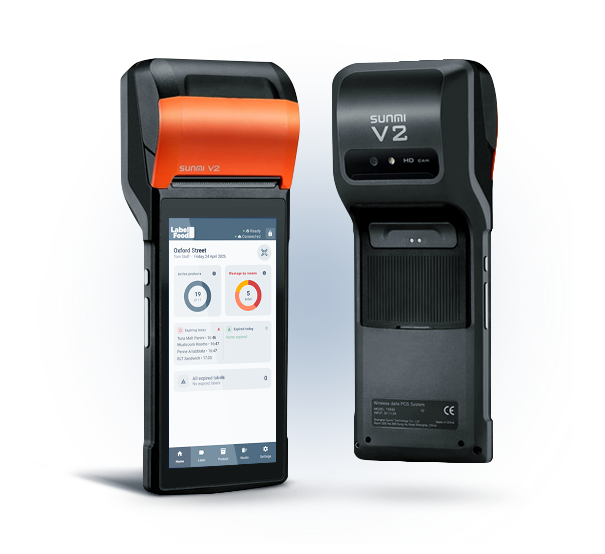
- Maximise limited workspace by replacing bulky office equipment with compact, standalone hardware like the LabelFood Printer SV2.
- Implement a "Data First" menu audit to ensure every printed label is accurate and fully compliant with current safety standards.
- Centralise management via a Cloud Management Dashboard to maintain a professional, digital audit trail with zero manual effort.
Navigating Natasha's Law in a Small Kitchen Environment
Natasha's Law changed everything for UK food operators on 1 October 2021. Formally known as The Food Information (Amendment) (England) Regulations 2019, it demands total transparency for pre-packed for direct sale (PPDS) food. Every item must display its full name and a complete list of ingredients. All 14 major allergens must be clearly highlighted. For large chains, this meant updating central databases. For independent operators, it created an immediate logistical crisis. Implementing Natasha's Law software small kitchen solutions is no longer a luxury. It's a requirement for survival.
What Qualifies as PPDS for Small Cafes and Delis?
PPDS refers to any food packaged at the same location where it is sold, provided it is in the packaging before a customer selects or orders it. Think of your morning routine. If you wrap sandwiches, box salads, or bag pastries for the lunch rush, those items are PPDS. They require a label featuring the product name and every single ingredient. You must emphasise allergens like gluten, milk, or mustard in bold. Without this, you are technically in breach of the law before you've even opened your doors.
The Hidden Costs of Manual Labelling
Handwriting labels is a recipe for disaster. It is slow; it is inconsistent; it is prone to error. In a cramped prep area, staff rarely have the time to double-check complex ingredient lists against supplier packaging. One missed allergen can lead to a hospital admission or a permanent business closure. Manual systems also take up physical room. Folders of spreadsheets and stacks of pre-printed templates clutter your limited counter space. When a supplier changes an ingredient, your old labels become instant waste. Digital systems eliminate this friction.
Non-compliance carries heavy penalties. Local authority audits are becoming more frequent as the UK moves toward a digital-first enforcement model. Beyond the threat of fines, there is the matter of public safety. With 2.4 million adults in the UK living with food allergies, the risk is real. Transitioning to a digital compliance model isn't just about following rules. It is about reclaiming your mental bandwidth and ensuring your kitchen remains a safe, efficient environment. This is where automation becomes your most valuable asset.
Core Features of Natasha’s Law Software for Limited Spaces
Effective compliance requires more than just a printer. It demands a digital brain. A Cloud Management Dashboard acts as this central hub. It allows you to organise data without cluttering your prep area. This is essential for small operators where every square inch counts. You need a system that handles the heavy lifting of data management whilst you focus on food preparation. Efficiency is the priority. You need tools that remove friction from your daily workflow.
Centralised Ingredient and Allergen Databases
Modern software automatically identifies the 14 mandatory allergens. You enter the recipe; the system highlights the allergens in bold. This removes the risk of human error. Bulk editing is a game-changer for seasonal menus. If you change a bread supplier, you update one entry. Every product using that bread updates instantly. This ensures consistency across your entire range. Using Natasha's Law software small kitchen solutions ensures you never miss a requirement during a busy shift. It's about precision and speed.
Cloud Syncing: Management Away from the Kitchen
You shouldn't have to be in the kitchen to manage compliance. Cloud-based systems let you update menus from a laptop at home or an office. This keeps the kitchen floor clear of laptops and paperwork. It also creates a robust digital audit trail. If an inspector visits, you can show exactly when and how your data was updated. This aligns with the FSA guidance on PPDS labelling regarding accuracy and transparency. For those looking for a complete system, integrating this into a wider allergen management software UK framework provides total peace of mind.
The interface must be intuitive. Kitchen staff are busy; they aren't IT experts. High-quality software uses "plug and play" logic. You select the product. You press print. The label is ready in seconds. It is a streamlined process designed for high-pressure environments. Real-time syncing ensures that if a manager makes a change in the office, the kitchen printer reflects it immediately. No delays. No outdated labels. Just a reliable, unified system that keeps your business safe and compliant. If you want to see how this works in practice, explore our food labelling solutions designed for the modern kitchen.
Manual Labelling vs. Automated Software: A Practical Comparison
Small kitchens operate on thin margins and even thinner floor space. Choosing between manual processes and automation is a matter of survival. A standard office setup is a workspace killer. Laptops and A4 printers don't belong near flour, steam, and heat. They are bulky. They are fragile. They fail in high-moisture environments. A dedicated kitchen printer is the logical alternative. It occupies a fraction of the space. It is built for the reality of food prep. It functions where consumer electronics fail.
Professionalism is your silent salesperson. A handwritten note looks amateur. It suggests a lack of systematic control. A printed label with clear, bold allergens inspires immediate customer confidence. It signals that you take food safety seriously. These labels are also engineered for durability. They survive refrigeration without peeling. They remain legible despite steam or condensation. When you use Natasha's Law software small kitchen solutions, you ensure your brand looks as professional as your food tastes.
Efficiency and Error Reduction
Manual transcription carries a high risk of omission, whereas database-driven printing ensures 100% accuracy every time. Software removes the "missing allergen" nightmare that leads to legal liability. It stops the reliance on staff memory during a busy lunch rush. Automation also has a profound impact on staff morale. Nobody joins the hospitality industry to fill out paperwork. Automating tedious admin tasks allows your team to focus on service. It replaces stress with a repeatable, foolproof process.
Space Optimisation in Small Prep Areas
You cannot afford to lose a metre of counter space to a computer tower. Standalone, compact hardware connects directly to the cloud. It requires no local PC. This creates a streamlined, "all-in-one" station. You can even integrate food waste recording software into this same digital workflow. This consolidation is vital. One digital system manages multiple compliance layers. It reduces clutter. It increases speed. It gives you total control over your environment without the physical overhead of traditional IT.
Consider the time investment. Handwriting 50 labels with full ingredient lists and bold allergens can take an hour of focused effort. Automated software completes the same task in minutes. This isn't just a convenience; it's a massive reduction in labour costs. In a small operation, those saved hours translate directly into better service or faster prep times. Precision doesn't have to be slow. With the right tools, it is the fastest way to work.

Implementing Compliance Software Without Disrupting Workflow
Digital transformation in a physical workspace requires a disciplined plan. You don't have time for complex installations. You need a system that arrives ready to work. Integrating a Natasha's Law software small kitchen solution starts with your data, not your hardware. Auditing your current menu is the first step. You must verify every ingredient list from your suppliers. Once this data is accurate, digitising it becomes a simple task of replication. Precision at the start prevents errors at the finish.
Hardware should be plug-and-play. Small teams cannot afford hours of IT setup. Standalone printers that connect directly to your network eliminate the need for local servers or complex wiring. Staff training is equally critical. Chefs and porters need a system that requires minimal interaction. A "select and print" interface ensures that even during the most intense service, compliance remains a secondary thought. It becomes a natural part of the prep routine.
The 3-Step Onboarding Process
Success follows a logical progression. You must move methodically to ensure total reliability. Efficiency is the result of a clear sequence of actions.
- Step 1: Upload your master ingredient list to the Cloud Management Dashboard. This centralises your data and applies automated allergen highlighting instantly.
- Step 2: Connect your dedicated printer to the local network. Modern systems use Wi-Fi or Ethernet for instant cloud communication without a PC.
- Step 3: Train staff on the "select and print" workflow. This should take minutes; the goal is frictionless operation from day one.
Maintaining Audit-Ready Records
Compliance is about proof. Every label printed is a digital record. This creates an automated audit trail for local food safety officers. You no longer need to scramble for paperwork during an inspection. The software logs the product, the time, and the specific ingredient profile used. It also allows you to track "best before" and "use by" dates alongside mandatory allergen information. This unified approach provides total control over your inventory and safety standards. To simplify your transition, invest in professional food labeling solutions that prioritise speed and accuracy.
Supplier changes are a reality of the trade. Ingredients are substituted without warning. A digital system allows you to update the ingredient profile in the cloud and sync it to the kitchen instantly. This ensures that your labels are always accurate, even when your supply chain is not. It is the ultimate stabilising force for your operation. You remain compliant whilst your competitors struggle with outdated manual templates. Speed, precision, and reliability are the hallmarks of a professional digital setup.
LabelFood: The Integrated Software and Hardware Solution
Complexity is the enemy of compliance. In a high-pressure environment, you cannot afford to manage disconnected systems. LabelFood provides a unified ecosystem where software and hardware exist as one. This is the definitive Natasha's Law software small kitchen solution for operators who value precision and speed. By combining a powerful cloud interface with robust, standalone hardware, we remove the technical barriers that often stall compliance efforts. You get total control without the IT headache. It is a stabilising force for your business.
Most providers treat software and hardware as separate entities. This leads to integration failures and wasted time. LabelFood eliminates this friction. Our system is designed to be self-sufficient. You don't need a local PC. You don't need complex wiring. You simply need a power source and a network connection. This standalone approach is vital for small kitchens where counter space is a premium asset. It allows you to maintain a professional, compliant operation without the physical overhead of a traditional office setup.
The LabelFood Printer SV2 Advantage
The LabelFood Printer SV2 is the UK standard for compact kitchen operations. Its footprint is minimal. It sits comfortably on any prep station. It is engineered specifically for the heat and moisture of a commercial kitchen environment. The "no-ink" thermal printing technology is a significant advantage. There are no expensive cartridges to replace. No ribbons to jam. No mess to clean. You reduce ongoing costs whilst ensuring every label is crisp, clear, and fully compliant. During a high-volume lunch rush, the SV2 delivers labels instantly. It is fast. It is reliable. It works exactly when you need it most.
Total Control with the Cloud Dashboard
The Cloud Management Dashboard is your command centre. It allows you to manage all product data, allergens, and food waste recording from a single, secure location. This centre of operations ensures that your data is always audit-ready. Changes made in the dashboard sync to your kitchen hardware immediately. You gain the peace of mind that comes from a system built for UK hospitality regulations. It handles the complexity of allergen highlighting for all 14 mandatory ingredients automatically. This is professional-grade compliance for the modern operator. Contact LabelFood today to organise a demo of the SV2 system and see how total integration can transform your kitchen's efficiency.
Future-Proof Your Kitchen Compliance
Total compliance in a limited space is achievable. Manual systems introduce unacceptable risk. Automation secures your business. By adopting Natasha's Law software small kitchen solutions, you eliminate human error whilst reclaiming valuable prep space. The system is built specifically for the realities of UK hospitality. Accuracy is guaranteed. You move from reactive firefighting to proactive management. Your kitchen remains safe. Your brand remains professional. Every label printed is a commitment to safety.
The transition is seamless. Compact SV2 hardware fits any prep station without disrupting your workflow. Cloud-based management ensures 100% data accuracy across your entire menu. You gain a robust digital audit trail that satisfies food safety officers and protects your customers. It is time to stop struggling with manual templates and start operating with absolute precision. Efficiency is the only way forward in a high-pressure environment. You deserve a system that works as hard as your team does.
Streamline your kitchen compliance with the LabelFood SV2 Printer and Cloud Dashboard. Take control of your safety standards today. You have the tools to succeed.
Frequently Asked Questions
Is software legally required for Natasha's Law compliance?
Software is not a legal mandate, but total accuracy is. Natasha's Law requires full ingredient lists and allergen highlighting for PPDS food. Whilst you could handwrite labels, the risk of human error is immense. Using Natasha's Law software small kitchen solutions provides a digital audit trail that manual systems simply cannot match. It is the most reliable way to ensure you meet the Food Standards Agency requirements every time.
What is the best type of printer for a small kitchen with limited space?
A dedicated thermal label printer is the superior choice for cramped environments. Devices like the LabelFood Printer SV2 are engineered for commercial use. They occupy minimal counter space and don't require ink or ribbons. This "no-ink" technology reduces maintenance costs and ensures labels remain legible in humid kitchen conditions. Standalone units are best as they don't require a bulky PC connection.
Can I use a standard office printer for Natasha's Law labels?
Standard office printers are unsuitable for high-pressure food prep areas. They are too large for limited counter space and their ink often smudges when exposed to steam or refrigeration. Additionally, office printers require a computer connection, which adds further clutter. Professional food labelling solutions use thermal technology to produce durable, smudge-proof labels that stay attached to packaging in cold or damp environments.
How does the software handle allergen highlighting automatically?
The software cross-references your ingredient lists against the 14 mandatory allergens defined by UK law. When you enter a recipe into the Cloud Management Dashboard, the system identifies these specific ingredients and automatically applies bold formatting. This automation removes the need for staff to manually check every list. It ensures that allergens like milk, gluten, or nuts are always emphasised correctly on every printed label.
What happens if my supplier changes an ingredient in a product?
You simply update the ingredient list in your central dashboard. Once saved, the change syncs across your entire system instantly. The next label printed from your kitchen hardware will reflect the new data. This centralised control is vital for managing supply chain substitutions without having to manually rewrite or reprint labels. It keeps your business agile and compliant during unexpected supplier changes.
Is cloud-based labelling software secure for my business data?
Professional cloud-based systems use high-level encryption to protect your recipes and business data. Your information is stored on secure servers with regular backups, ensuring you never lose your ingredient database. This digital approach is far more secure than keeping physical folders or spreadsheets on a single kitchen laptop. It also allows you to access your compliance records from any location at any time.
Do I need a constant internet connection to print labels in the kitchen?
Most modern systems require a connection to sync new data from the cloud, but they can often print stored labels whilst offline. Your hardware typically caches your product list locally. This means a brief internet outage won't stop your lunch service. However, a stable connection is recommended to ensure your Natasha's Law software small kitchen setup receives real-time updates and logs every print for your audit trail.
How much time can a small cafe save by switching to digital labelling?
A small operation can save several hours of labour every week by automating their labelling process. Handwriting 50 labels with full ingredient lists can take an hour; digital printing takes less than five minutes. This efficiency allows your team to focus on customer service rather than administrative tasks. Over a month, these saved hours translate into significant labour cost reductions and a more streamlined kitchen workflow.