What if the most expensive tool in your kitchen isn't the combi-oven, but the roll of handwritten stickers on the prep bench? Manual labelling is a hidden tax on UK hospitality, draining resources and increasing the risk of a £5,000 fine for non-compliance. You already know the frustration of wasted chef hours and the anxiety that comes with a surprise food safety audit. It’s a chaotic way to manage a professional environment that demands precision.
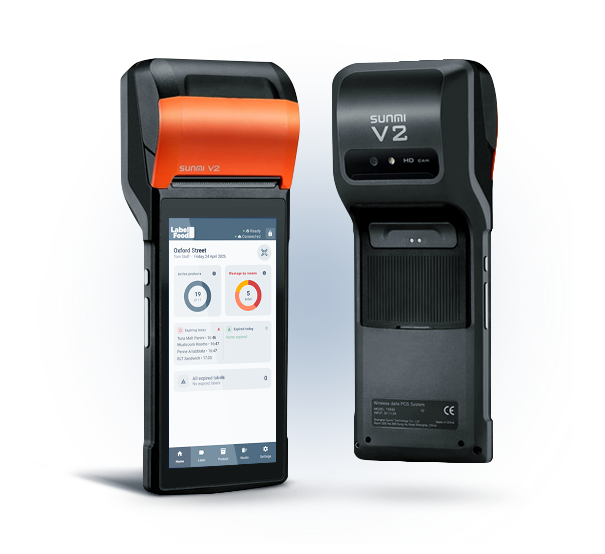
This guide explains why a digital food labeling system ROI is now a financial necessity for kitchens aiming to stay competitive in 2026. By automating your prep labels and integrating digital waste recording, you can turn a compliance chore into a genuine profit driver. We’ll show you how to slash labour costs, ensure 100% accuracy for Natasha’s Law, and achieve a measurable return on investment in just a few months. We will examine the latest regulatory updates and the specific hardware, such as the LabelFood Printer SV2, that is making manual stickers obsolete across the industry.
Key Takeaways
- Calculate your food labeling system ROI by comparing manual labour hours against the speed of digital automation.
- Reduce food waste. Use integrated recording tools to identify loss patterns and protect your profit margins.
- Ensure total compliance. Automate Natasha’s Law requirements to mitigate the risk of heavy fines and legal action.
- Professionalise your prep. Replace unreliable handwritten stickers with dedicated thermal printing hardware.
- Scalable management. Centralise your product data using a cloud dashboard for consistent standards across every site.
What is Food Labeling System ROI in a Commercial Kitchen?
In a professional kitchen, return on investment is often viewed through the lens of heavy hardware like ovens or refrigeration. This is a mistake. A food labeling system ROI is the measurable financial return gained by replacing manual, handwritten processes with digital automation. It is the calculation of how much capital is recovered when you eliminate human error from your prep line. In 2026, this isn't just about convenience. It's about protecting your margins in an industry where net profits typically hover between 3% and 5%.
Traditional "day dots" are a false economy. They appear cheap on a balance sheet because the initial purchase price is low. However, they lack data. They don't track ingredients, they don't account for complex allergens, and they rely entirely on a chef's memory during a busy service. A unified system, combining the LabelFood Printer SV2 with a Cloud Management Dashboard, turns labelling from a chore into a data-driven asset. It ensures every container in your walk-in is a source of information, not a compliance risk.
The "Hidden Tax" of Manual Labelling
Manual labelling is a drain on your most expensive resource: skilled labour. Consider a chef spending just 30 minutes each day handwriting stickers for prep containers. Over a month, that is 15 hours of professional labour lost to a clerical task. This is a hidden tax on your kitchen's productivity. When you factor in the cost of illegible handwriting, the financial impact grows. If a team member cannot read a date label, the stock is often discarded to ensure safety. This unnecessary food waste directly erodes your food cost percentage.
The risk extends beyond the bin. Mislabelled allergens are a significant legal liability. Under current UK food labelling regulations, the stakes for accuracy have never been higher. A single error can lead to a failed audit or, in serious cases, criminal prosecution. Automation removes this variable. Digital systems pull data directly from your approved database, ensuring the label is perfect every time.
Direct vs. Indirect ROI
Calculating your return requires looking at two distinct categories. Direct ROI is found in the immediate reduction of operational costs. You stop purchasing thousands of manual sticker rolls. You reclaim those lost prep hours. You see a sharp decline in stock being thrown away due to missing or confusing date marks.
Indirect ROI is your insurance policy. It's the peace of mind that comes with 100% Natasha’s Law accuracy and faster turnaround times during local authority inspections. An automated system makes your kitchen audit-ready at all times. ROI for UK kitchens is the intersection of labour efficiency and regulatory safety.
Calculating the True ROI: Automated vs. Manual Systems
To understand a food labeling system ROI, you must look at the clock. Manual labelling is a slow, analogue process in a digital world. Writing a single prep label by hand takes approximately 45 seconds. This includes finding a working pen, checking the calendar, and ensuring the ink doesn't smudge on a greasy container. A digital system reduces this entire sequence to 3 seconds. The speed is absolute. When you multiply those saved seconds across hundreds of containers every week, the reclaimed labour time is significant.
Error is the most expensive variable in any kitchen. One mislabelled batch of sauce or protein can cost hundreds in wasted stock if it must be discarded for safety. Worse, it could lead to a breach of the government's food labelling and packaging regulations. Automation eliminates the human variable that causes these losses. Professional hardware like the LabelFood Printer SV2 is designed for the heat and moisture of a commercial environment. Unlike consumer-grade inkjet printers that clog or require expensive cartridges, thermal technology ensures a long operational lifespan with minimal maintenance.
Labour Efficiency: Reclaiming Kitchen Hours
The morning prep routine is the most critical window for any mid-sized London cafe. Using a dedicated printer streamlines this workflow by removing the need for manual calculations. Staff training becomes effortless. Instead of teaching new hires a complex system of colour-coded dots and date rotations, they simply select the product on a screen and print. This simplicity reduces the "onboarding tax" of new employees. You can achieve a faster, more accurate service with less supervision. It's a frictionless transition that pays for itself in reclaimed hours.
Material Savings and Consistency
Thermal labels are more cost-effective than traditional adhesive day dots. They're also clearer. Professional, branded labels build customer trust, especially for Pre-Packed for Direct Sale (PPDS) items where clarity is a legal requirement. When you utilise a cloud management dashboard, you ensure data consistency across multiple sites. If you update an ingredient at your central hub, the change is live across every printer in your network instantly. This centralised control is vital for maintaining standards as you scale. If you're ready to audit your current process, you can explore professional food labeling solutions to see the potential savings for your specific site.
Compliance ROI: Natasha's Law and Risk Mitigation
In a high-pressure kitchen, compliance is not a choice. It is the ultimate insurance policy. Natasha's Law mandates that all Pre-Packed for Direct Sale (PPDS) food carries a full ingredients list with allergens clearly emphasised. Failure is expensive. A single non-compliance fine can reach £5,000 per instance. When you view these risks through the lens of a food labeling system ROI, the investment shifts from a capital expense to a business-saving necessity. Digital systems ensure you are always audit-ready. They turn a legal obligation into a streamlined operational standard.
The financial reality of a Food Standards Agency (FSA) inspection in 2026 is rigorous. Inspectors no longer accept vague manual logs or "we'll check the folder" excuses. They demand immediate, accurate data. Digital records provide an immutable trail that manual systems cannot match. This transparency protects your reputation and your bank account. It is the definitive answer to complex regulatory challenges.
Eliminating the Risk of Human Error
Manual ingredient lists are the primary cause of allergen non-compliance in the UK. It is too easy for a tired chef to omit a single ingredient from a complex recipe. One mistake can have catastrophic consequences for the consumer and the business. The SV2 printer removes this variable entirely. It pulls data directly from your central cloud dashboard. If an ingredient changes, the label updates across your entire site instantly. Following the Food Standards Agency allergen labelling guidance becomes automated. The "Peace of Mind" factor is invaluable. Knowing every label is 100% accurate allows your team to focus on service, not paperwork.
Speeding Up the Audit Process
Time is money during a safety audit. Reviewing a year of manual, handwritten logs can take a manager two hours or more. A digital system allows for a five-minute report export. This efficiency is a core part of your food labeling system ROI. It demonstrates total control to the inspector. In competitive markets like London, a "Five Star" hygiene rating is a significant driver of customer footfall. Consumers look for that green sticker before they walk through your door. Using dedicated allergen management software UK creates a professional standard that protects the business during any dispute. It proves you have taken every reasonable precaution. It is the mark of a disciplined, modern kitchen.

Waste Reduction: The Profitability Driver
Food waste is a silent profit killer. In the UK hospitality sector, waste costs an estimated £3.2 billion annually. Much of this loss stems from poor stock rotation and illegible date marks. When a chef cannot confidently identify the expiry date of a prep item, the default action is to bin it. This is a direct hit to your bottom line. An automated system provides a significant food labeling system ROI by ensuring every container has a clear, unalterable expiry date. It removes the guesswork from the walk-in chiller.
The "First In, First Out" (FIFO) principle is the foundation of kitchen efficiency. Manual systems often fail here because handwritten stickers fade, smudge, or peel off in cold environments. Digital thermal labels remain legible and attached. This clarity ensures that older stock is used first, significantly reducing spoilage. Beyond simple dates, using food waste recording software allows you to identify exactly why items are being binned. You can follow a simple 4-step framework to cut waste: standardise prep lists, print durable labels, record every discarded item, and adjust your par levels based on the data.
Identifying the Cost of Waste
Digital tracking reveals patterns that manual logs miss. You might find that your team consistently over-produces specific sauces or garnishes on a Tuesday. By identifying these trends, you can reduce weekly waste. Even a 10% reduction in food waste offers a massive boost to your net profit. Your cloud management dashboard acts as a central intelligence hub. It allows you to adjust prep requirements in real-time based on actual consumption. This level of control is impossible with paper-based systems. It turns your kitchen into a precision-managed production line.
Workflow Integration for Max ROI
Efficiency depends on adoption. To achieve the best food labeling system ROI, waste recording must be a seamless part of the kitchen closing routine. It shouldn't feel like an extra task. Dedicated hardware like the SV2 makes this process fast. Thermal labels are engineered to withstand the extreme temperatures of freezers and high-moisture chillers. They don't fail when the pressure is on. This reliability ensures your data remains accurate throughout the entire life cycle of the product. Data is only valuable if it leads to action. Use your weekly reports to challenge prep habits and refine your ordering. If you want to see how automation can protect your margins, you can view our full range of food labeling solutions today.
Choosing the Best Food Label Printer for UK ROI
Selecting the right hardware is the final step in securing your food labeling system ROI. Many London businesses make the mistake of using consumer-grade inkjet printers or fragile tablets. These devices are not designed for the physical realities of a commercial kitchen. They fail in high-heat environments. They clog with grease. They require constant maintenance. Professional standards demand a dedicated solution like the LabelFood Printer SV2. This is purpose-built hardware designed to withstand the pressure of a professional hospitality operation.
A commercial-grade printer offers three essential pillars: standalone operation, thermal printing technology, and seamless cloud sync. Standalone operation means you don't need a vulnerable laptop on the prep bench. Thermal technology eliminates the need for expensive ink cartridges. Cloud sync ensures that your entire estate remains consistent. When you compare the total cost of ownership, "cheap" consumer alternatives are a liability. They lead to downtime and lost productivity that far outweighs their initial price tag. True efficiency requires tools that are as disciplined as your team.
Why Standalone Hardware Wins
Kitchens are hostile environments for electronics. Steam, oil, and extreme temperatures destroy standard office equipment. Using a tablet-based system often results in cracked screens and connectivity drops during peak service. The SV2’s dedicated design removes these points of failure. It acts as a stabilising force on your prep line. Because the system is managed via a cloud dashboard, you retain total control over your data without needing technical expertise on-site. Reliability is the foundation of your food labeling system ROI. UK-based support ensures that if a problem arises, your operation doesn't grind to a halt.
Implementation: From Cost to Profit
Speed of adoption is critical for a fast return. Kitchen staff can be fully trained on the LabelFood system in less than ten minutes. The interface is intuitive. It mirrors the pace of a modern kitchen. Most businesses reach the break-even point on their investment within a few months through reclaimed labour and reduced waste. You move from a state of compliance risk to a model of total efficiency. It is time to stop the hidden tax on your margins. Get a personalised ROI estimate from LabelFood to see how much your kitchen can save this year.
Secure Your Kitchen's Financial Future
Manual labelling is no longer a viable strategy for professional UK kitchens. It creates friction. It invites error. It generates unnecessary cost. Transitioning to a digital system eliminates the hidden tax of handwritten stickers. You reclaim hundreds of labour hours. You secure your operation against the severe financial penalties of allergen non-compliance. A positive food labeling system ROI is the inevitable result of prioritising precision over guesswork.
The standalone SV2 hardware is designed specifically for the high-pressure environments of London’s leading commercial kitchens. It provides the stability that consumer-grade tablets lack. With dedicated UK support for Natasha’s Law compliance, you operate with total confidence. The transition from cost centre to profit driver is fast. It is frictionless. Take control of your margins. Protect your reputation with a system built for the realities of 2026. Efficiency is the only path forward.
Calculate your kitchen’s ROI with LabelFood today and start your journey toward total operational efficiency.
Frequently Asked Questions
How much can a food labelling system save my kitchen per year?
Savings are primarily driven by reclaimed labour and reduced waste. A typical kitchen saving 15 hours of manual labelling per month reclaims nearly 20 days of professional work every year. When combined with a 10% reduction in food waste through better stock rotation, the total financial recovery often reaches thousands of pounds. These efficiencies directly protect your net profit margins.
Is the LabelFood Printer SV2 compliant with Natasha’s Law?
Yes. The SV2 is designed specifically to meet Natasha’s Law requirements for Pre-Packed for Direct Sale (PPDS) food. It prints full ingredient lists with the 14 mandatory allergens clearly emphasised. Because the data is pulled directly from your cloud dashboard, you eliminate the risk of manual transcription errors that lead to non-compliance fines.
Can I track food waste with a label printer system?
The LabelFood system includes integrated food waste recording tools. This allows your team to log discarded items directly through the interface during their closing routine. The data syncs with your cloud management dashboard; helping you identify loss patterns and adjust prep levels to ensure maximum profitability.
How long does it take to see a return on investment (ROI)?
Most hospitality businesses achieve a clear food labeling system ROI within three to six months. This break-even point is reached through the immediate elimination of manual sticker costs and the sharp reduction in labour hours. The long-term value is further enhanced by the mitigation of legal risks and improved hygiene ratings.
What is the difference between a standard label printer and a food label printer?
Standard printers often rely on ink or fragile components that fail in professional kitchens. A dedicated food label printer like the SV2 uses thermal technology; requiring no ink or ribbons. It is a standalone, commercial-grade device built to resist heat, grease, and moisture. It operates independently without needing a vulnerable PC on the prep bench.
Do I need a computer in the kitchen to use the LabelFood system?
No. The LabelFood Printer SV2 is a standalone hardware solution that functions without a local computer. You manage your product database and allergen information via a web-based cloud dashboard on any device; then sync those updates to the printer via Wi-Fi or Ethernet. The kitchen team only interacts with the printer’s intuitive touchscreen.
Is the software difficult for non-technical staff to use?
The interface is designed for speed and minimalist operation. New staff members typically require less than ten minutes of training to become proficient. Selecting a product and printing a compliant label is a three-second process. This simplicity ensures that digital labelling remains a frictionless part of the daily kitchen workflow.
How does digital labelling help with food safety audits?
Digital systems ensure your kitchen is always audit-ready by providing perfect legibility and 100% accuracy. During an inspection, you can export comprehensive compliance reports in minutes rather than searching through manual paper logs. This transparency demonstrates total control to environmental health officers; supporting your efforts to maintain a "Five Star" hygiene rating.